
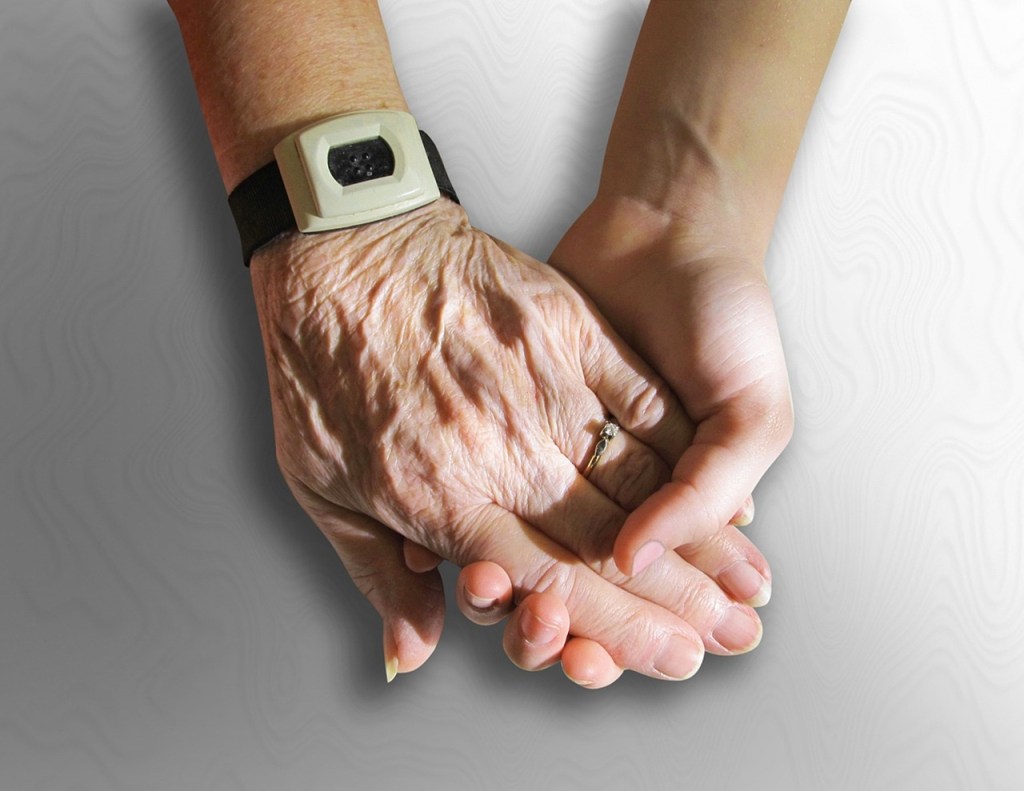
We haven’t talked much about family matters lately, and for me, that mostly means elder care. About three years ago, I invited my parents-in-law to move into my house while my man and I moved into the guest cottage. It didn’t take long before I realized that the elders weren’t OK. They needed much more than just someone who’d be nearby in case of an emergency. Without full-time care, there’d be broken bones, malnutrition, and all the horrors that neglected elders have to live through.
For them, the change had been gradual, and they definitely weren’t ready to relinquish total independence. But with Mom covered in bruises from falling, and Dad spending an hour just to peel a potato, I knew it was time.
Care Workers to the Rescue
To cut a long story short, I cared for the folks myself at first, but nobody can be on duty 24/7 and retain their sanity – or any sense of having a life of their own. After some months, the parents noticed that I was worn to a shred and agreed to let me appoint care workers so that I could get back to my writing business and have time to spend with their son.
We shared the task between two amazing women who would work half the week each. Both of them had insights and ideas that led to improvements in the folks’ health and quality of life and they genuinely cared on both physical and emotional levels. But then, one of them hurt her back and it emerged that she’d been struggling with back pain from the very beginning.
There was nothing else I could do but thank her, finalise our relationship, and jump right back in to hands-on care work – and that’s what made me realise, all over again, why care workers are such special people.
Carers: People With Remarkable Qualities
When you’re a care worker, you have to be practical. You do what’s needed when it’s needed, and that includes cooking, cleaning, talking, listening, ensuring that medications are taken, and helping the old ones with tasks they struggle with. Believe me, that’s everything! From rising in the morning, to dressing, eating, ensuring they don’t fall over, taking them to the toilet, and helping them wash, you’ll have your hands full.
Care workers are observant and intuitive too. What foods seemed to disagree with a delicate digestion? Is one of your charges showing signs of having a bad day? Is something bothering them? What are the possible reasons for that? Is there anything you should do? Even simple questions like “What are they trying to tell me?” can require the ability to think on one’s feet.
A good care worker, despite the many demands of their work, is always cheerful, positive, and patient. At least, they know how to seem that way. Messy loo accident? It’s less than nothing! Dropped everything to rush to their charge’s aid? It’s only a pleasure! Recalcitrant patient? It’s what the doctor ordered. Let’s get it over with and move on! Food burning on the stove while you support an elder who’s on the point of falling over? Oh dear! Can you sit down and give me a second? Bell wakens you from slumber at 3 AM? Stagger in with a smile. And, when life in the slow lane gets irksome, carers never show their impatience. Half an hour’s discussion on how to make the bed? The carer lets them take their time, even though she’d rather be getting things done.
And then there’s a matter of understanding, and catering to, psychological needs as well as physical ones. Dad needs to be in charge and feel appreciated. Accept his decisions and offer thanks unless they place someone at risk. Ask for advice on simple matters and hail his solutions as the best ones ever.
Mom wants to feel useful. Let her do small chores even though you know they’ll take three times longer and you’ll have to do them all over again (properly) when she’s finished. Both are getting cabin fever. Entertain them with chatter; read to them; listen to that favourite anecdote for the 100th time as if it were the first; or find a good documentary they’ll both enjoy.
Most of all, care workers need to be genuinely caring people. They become part of the family. They appreciate the people they care for and allow them to preserve their dignity in the most awkward of situations. That takes grace, empathy, and a kind heart.
Carers are Much More Than “Menial Labour”
It’s unfortunate that most families can’t afford to pay their care workers more. They really deserve it. Most of them have to struggle along on minimum wage despite the huge personal investment they put into their work. It shocks me that care worker agencies often charge inflated rates, pocket profits, and pay the person who does the work the least they can get away with. It simply isn’t fair given the demands of the job or the benefits its results confer.
A good care worker helps their clients to enjoy a far better life than they would experience in a “home” that’s really nothing more than an institution. For one thing, they provide individual, focused attention. For another, the people they care for are able to enjoy a degree of freedom of choice: when they will rise in the mornings, when they will dress, when and what they will eat. And they’re kept as safe as possible throughout.
Those who employ carers place a lot of trust in them and we’re incredibly fortunate that the ladies who have done this work for us so far have absolutely deserved that trust. And no. We didn’t use agencies. And yes. We didn’t choose hastily.
If you’re a carer who fits my description of the many skills a good care worker has, you have my eternal respect. For little reward, you’re making what may well be your clients’ final years more tolerable – even pleasant. Your task is not an easy one, either physically or mentally, but you do everything you can to rise to the challenge. You make your corner of the world a brighter, better one and you give us, the families of those you care for, peace of mind into the bargain.
 Evergreen Times
Leave a comment